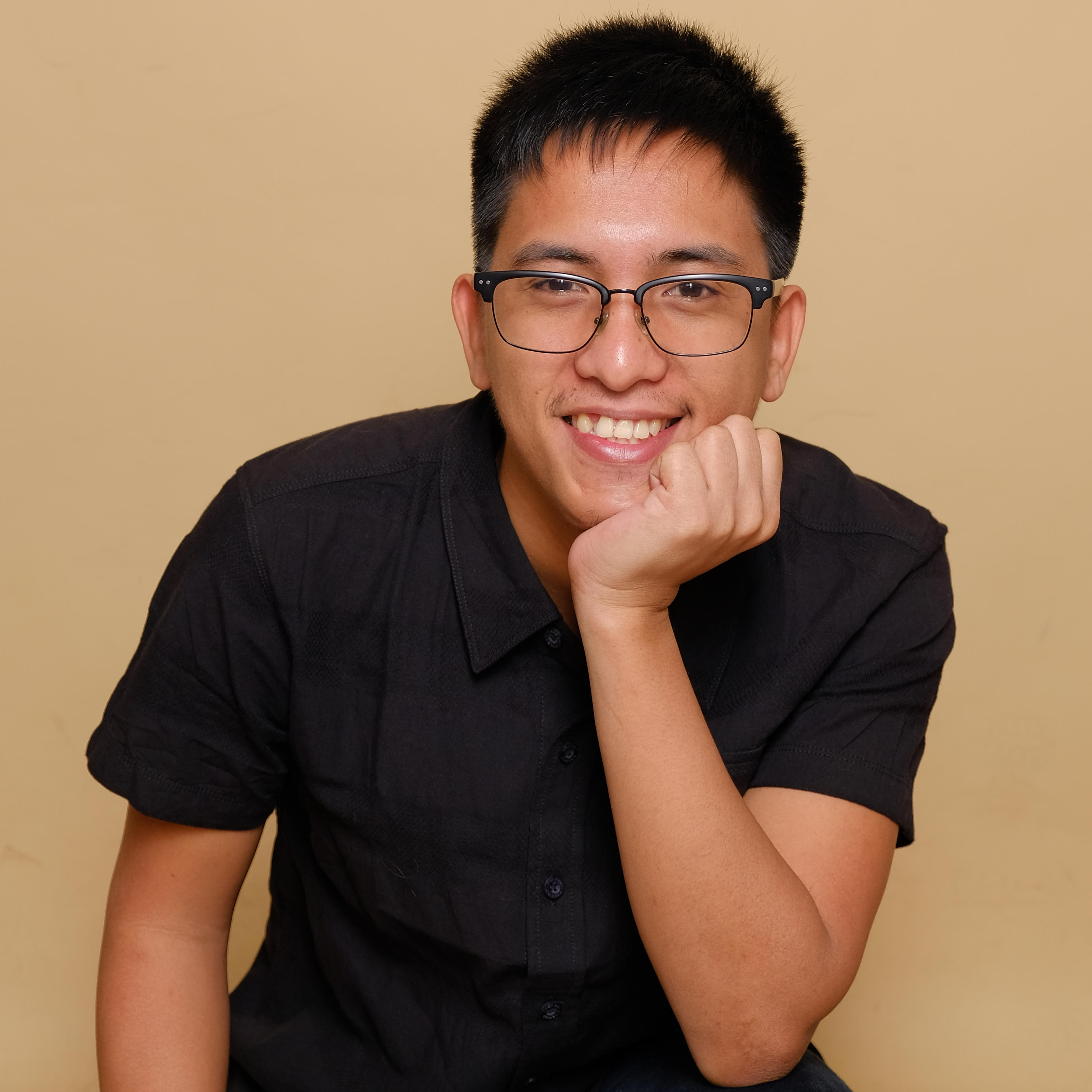
 James Carlo Luchavez
Backend engineer · Laravel · Kubernetes
I build the platform your Laravel app runs on.
I'm James, a backend engineer with 7+ years of Laravel and PHP behind me. I also build LaraKube Desktop, an open-source tool that provisions servers with OpenTofu and runs Laravel apps on k3s.
Open to remote backend and platform roles
Daily tools
- Laravel
- PHP
- Docker
- Kubernetes
- k3s
- OpenTofu
- OpenBao
- PostgreSQL
- Redis
Featured project
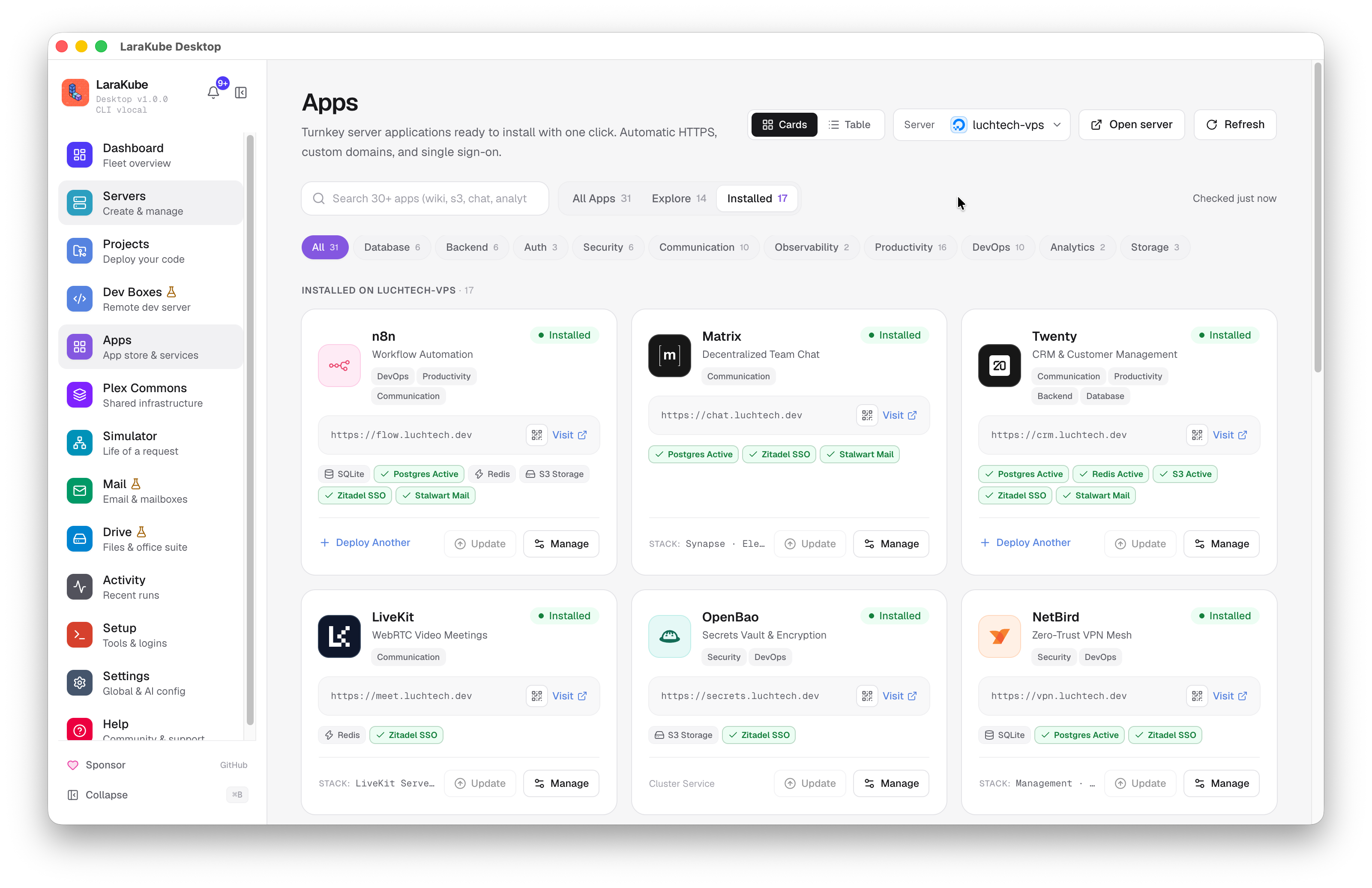
LaraKube Desktop: your apps and your team’s tools, on servers you own
Docker Swarm gets you to production fast — but it won’t carry you into Kubernetes.
Why I built it
I’d paid for Spin Pro, ServerSideUp’s one-CLI-to-production tool for Docker Swarm, and wanted the same for Kubernetes: start on one VPS running k3s, move to managed Kubernetes later, no rewrites. That became LaraKube CLI — then LaraKube Desktop, for a GUI.
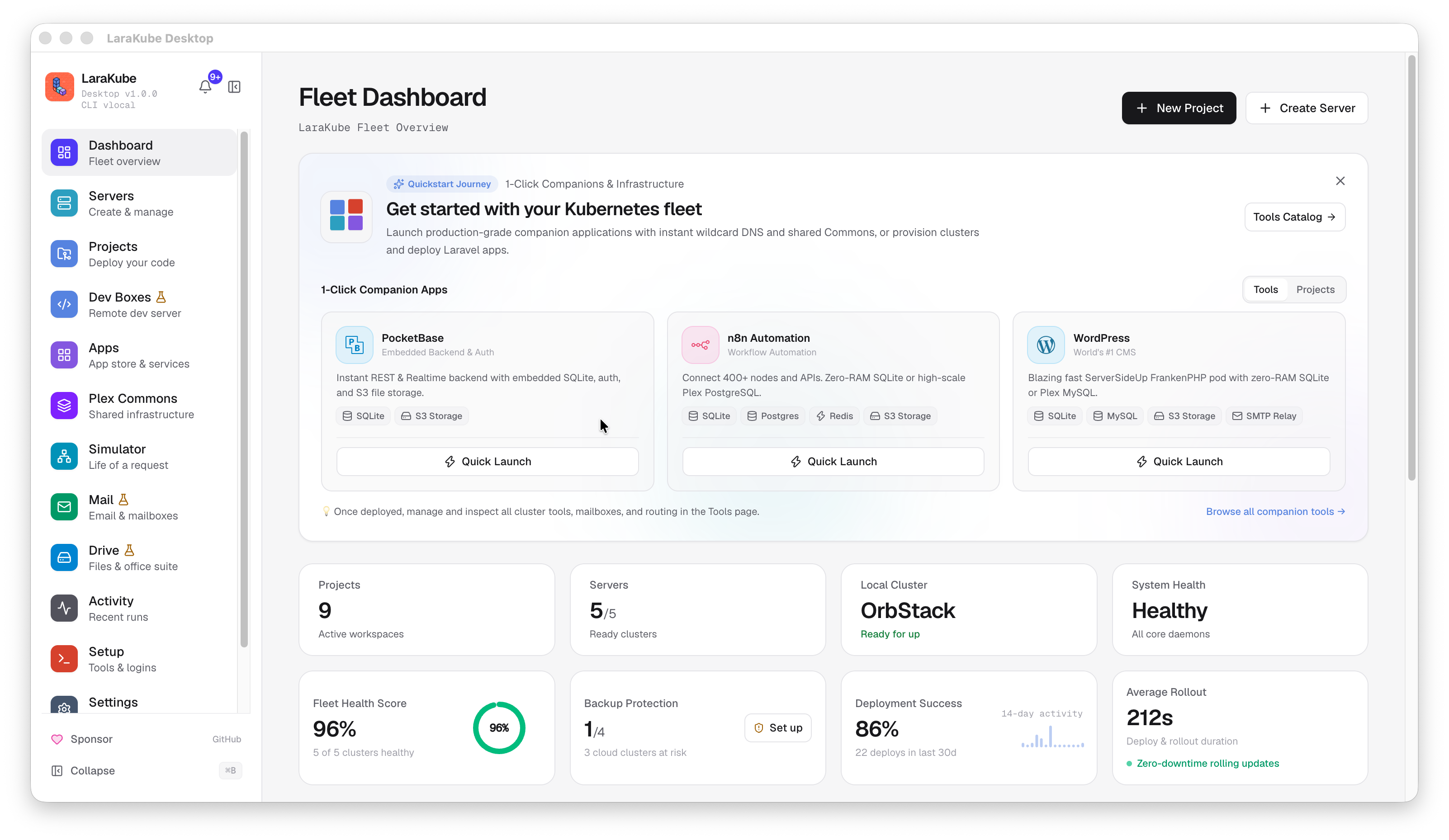

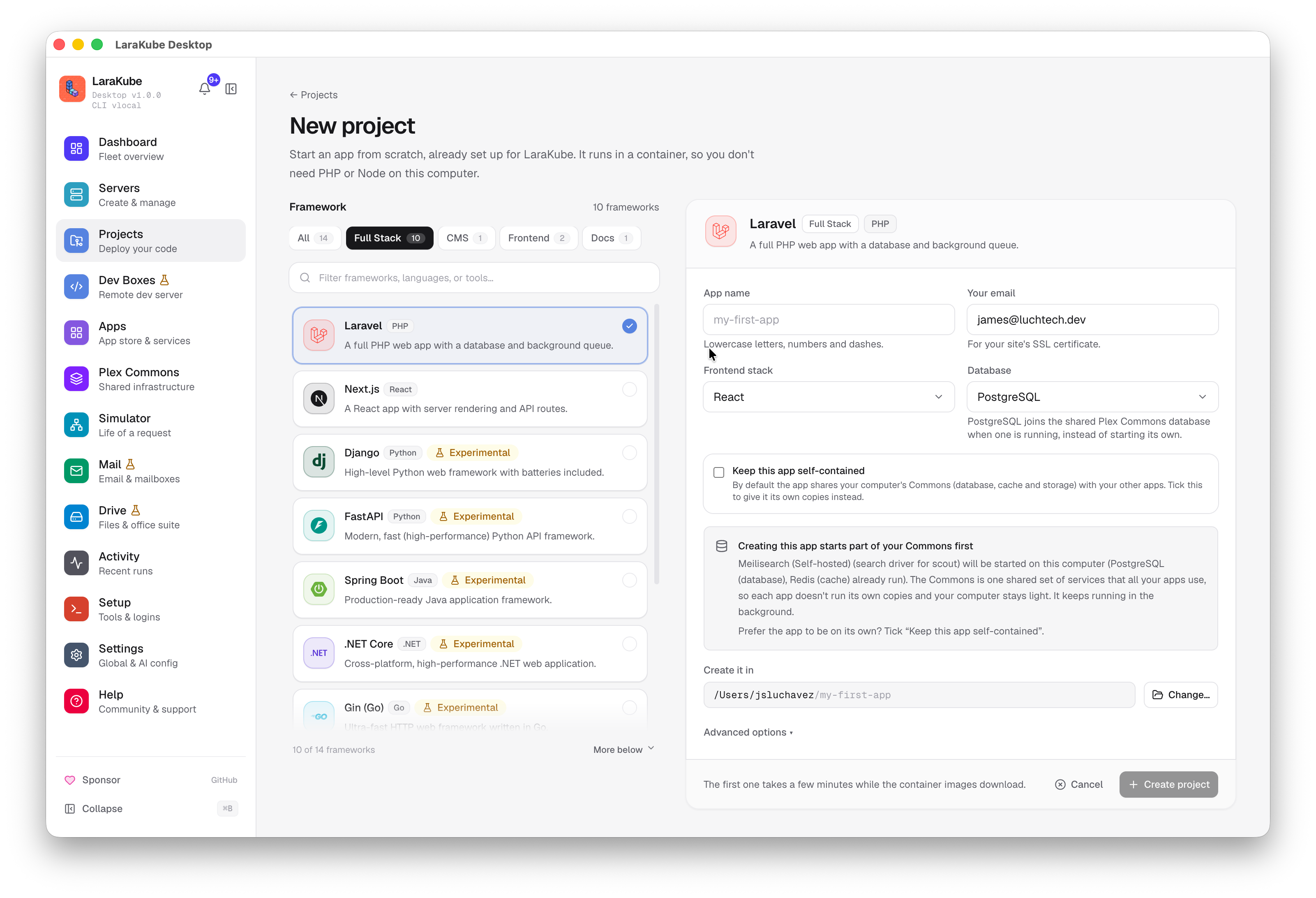
- larakube-cliupdated todayv0.34.0
- larakube-desktopupdated today
Built with
PHP — CLI on Laravel Zero, Desktop on NativePHP
15
frameworks — 7 deploy to production today, 8 more scaffold now and are on the way
4
cloud providers today: DigitalOcean, Hetzner, Google Cloud and AWS — more coming via OpenTofu
9
production essentials wired in from day one — the parts people forget until 2am
30
cluster apps your team would otherwise rent per seat — one command installs each, with SSO and HTTPS wired in
How a deploy flows
K3S ON A VPS · UFW · fail2ban · key-only SSH
one namespace per app
for team tools
Architecture decisions and trade-offs
- 01
k3s instead of Docker Swarm
A single VPS and a managed cluster speak the same Kubernetes API, so nothing gets rewritten when an app grows.
- 02
Plain manifests in your repo
LaraKube Desktop writes standard Kubernetes YAML into the project. If you stop using it, your app still deploys.
- 03
One blueprint everywhere
Local clusters, a small VPS and managed Kubernetes all run the same manifests, so local testing matches production.
- 04
Shared Commons, separate tenants
One Postgres, Valkey, S3 and Meilisearch per cluster saves memory. Each app still gets its own database, login, bucket and index.
- 05
Servers hardened by default
Every server gets UFW, fail2ban, key-only SSH and optional IP allow-listing for SSH and the k3s API.
- 06
No PHP on your laptop
Composer, Node and installers run in throwaway containers, and file ownership maps back to your user.
Coming soon: LaraKube Cloud — a web version of LaraKube Desktop with accounts and teams — no install required.
What I work with
Laravel on the backend, and everything it takes to run it in production.
Backend
- Laravel
- PHP
- FilamentPHP
- GraphQL
- REST APIs
- MCP
- OpenAI API
- Claude
- Antigravity
Data
- MySQL
- PostgreSQL
- Redis
- Meilisearch
- SeaweedFS
Infrastructure
- Docker
- Kubernetes
- k3s
- Traefik
- OpenTofu
- OpenBao
Cloud and CI
- AWS Lambda
- AWS S3
- DigitalOcean
- Hetzner
- Cloudflare
- GitHub Actions
Experience
7+ years building Laravel backends for teams in the US, Canada, Australia and the Philippines.
Now
Founder, LuchTech Web Development Services
Building LaraKube Desktop, LaraKube CLI and the upcoming LaraKube Cloud.
- k3s
- OpenTofu
- OpenBao
2022 – now
Freelance Web Developer · Value Direct Inc., Atlanta
Architect, build and run high-performance web apps, and the REST APIs that connect them to outside services.
- Laravel
- MySQL
- Redis
- Meilisearch
- Docker Swarm
2025 – 2026
Systems Integration Engineer · MCM Retail Group, Jacksonville
Designed a Laravel backend that integrates and manages third-party services at scale, added LLM features with the OpenAI API, and built the admin panel in FilamentPHP.
- Laravel
- FilamentPHP
- OpenAI API
2024 – 2025
Backend Developer · MCM Retail Group, Jacksonville
Moved critical processes to AWS Lambda for faster runs and lower cloud costs, and led the team’s move to serverless Laravel.
- Laravel
- AWS Lambda
2020 – 2023
Earlier roles
Software Engineer at Fligno Software Philippines, Backend Engineer at FIN-PAY in Brisbane, Software Engineer at Paiid in Vancouver, and Laravel Backend Developer at Fourello in Mandaluyong.